Spread the Love
Last updated on May 29, 2025A Detailed Guide to Eco-Friendly Packaging Materials
Previously, packaging made of plastic had numerous detrimental effects which caused a negative impact on the environment. It was not only affecting the environment but ruining your brand reputation too. But what if there is a way to minimize these impacts? Yes this previous packaging trend is being replaced with more environmentally friendly alternatives. The use of eco-friendly packaging material is a promising solution for brands providing both functionality and environmental responsibility with maximum affordability.
In this post, you’ll find various eco friendly packaging materials and their benefits that enhance your brand visibility and consumer preferences. Let`s find out how these sustainable material choices can significantly impact your environment and the brand.

Order This Kind Of Boxes In Best Quality From Us
Eco-Friendly Packaging for Every Brand
Understanding the newest packaging trends is critical for firms that want to stay ahead of the competition. Here are the important developments influencing the eco friendly packaging business in 2025 and beyond, including novel materials, technological advancements and design considerations. This trend is notably evident in every brand success.
Moreover, technological improvements are also important for the growth of eco-friendly packaging. Materials science innovations have resulted in the development of new and more efficient biodegradable materials that function far better than existing plastics. These improvements make it easier for businesses to move to sustainable packaging options to maintain the quality and performance of their brands.

Order This Kind Of Boxes In Best Quality From Us
Go Green with Eco-Friendly Packaging Materials
Massive amounts of plastic and molded foam wind up in landfills, where they remain for years and are not in use after a single use. The pandemic transition from plastic to sustainable packaging has boosted the e-commerce business which makes ordering anything from food to cosmetic products easier. However, this convenience increases the brand responsibility to go green. Because the environmental impact of plastic packaging notably contributes to increased garbage in landfills emphasizes the need for businesses to adopt more environmentally friendly practices. It is critical to evaluate the life cycle of sustainable packaging materials to ensure that brands achieve their sustainability obligations. This unique method decreases landfill waste and carbon footprints demonstrating a commitment to sustainability while minimizing environmental effects. It is a responsible step toward a greener world.

Order This Kind Of Boxes In Best Quality From Us
What is Eco Friendly Packaging?
Eco-friendly packaging reduces environmental impact by incorporating sustainable materials and methods. This comprises products that are recyclable, biodegradable or compostable which reduce waste. Brands that use eco friendly packaging display social responsibility, appealing to environmentally conscious consumers and increasing brand loyalty in a competitive market.
This detailed guide delves into several eco friendly packaging materials, outlining their benefits and applications to assist businesses and consumers in making better decisions and paving the way for a greener future.

Order This Kind Of Boxes In Best Quality From Us
How to Customize Eco Friendly Packaging Boxes?
Customization is an important feature of eco-friendly packaging that addresses unique needs. Businesses that offer personalized solutions should collaborate closely with packaging providers such as custom packaging firms to ensure they employ the most ecologically friendly materials and designs for their products. This collaboration makes it easier for more businesses to transition to eco-friendly packaging that results in broader acceptance of sustainable practices in the consumer goods market.

Order This Kind Of Boxes In Best Quality From Us
Innovative Eco-Friendly Packaging Designs
Eco-friendly packaging is more than just the materials used; innovative designs also help to reduce waste and promote sustainable consumption. Examples of such designs are:
- Biodegradable Packaging That Breaks Down Naturally: They are made from materials like cornstarch or kraft paper that decompose quickly, reducing landfill waste and environmental harm.
- Recyclable Materials That Close the Loop: Using paperboard, cardboard and certain plastics ensures your packaging can re-enter the production cycle with minimal waste.
- Minimalist Designs That Save Resources: Some simple, sleek packaging uses fewer materials and inks while still looking premium, perfect for eco-conscious brands.
- Reusable Packaging for Long-Term Use: Most of the durable, reusable pouches and containers encourage customers to keep and repurpose packaging, extending brand visibility.
- Plant-Based Inks and Coatings: Various sustainable inks made from soy or vegetables minimize toxic emissions and allow for safe, vibrant printing on eco-packaging.

Order This Kind Of Boxes In Best Quality From Us
How to Build Creative Eco-Friendly Packaging
Eco-friendly packaging isn’t just ethical, it is a brilliant marketing tool for eco-conscious brands. Imagine packaging that wows customers and wins awards. Think seed-infused paper that grows wildflowers or slimline boxes from recycled denim. Various bold and eco-chic designs spark buzz on social media. Thus, every detail counts – 7 in 10 customers say packaging sways their choice. So, using a minimalist style cuts waste and highlights your brand identity. Consequently, sustainability with creativity is a dream team that turns ethics into flair.
Eco-Friendly Packaging Materials That Work Best for Sustainable Brands
Recycled paper and cardboard remain packaging workhorses of versatile, strong and fully recyclable. Bamboo and hemp fibers bring sturdy and renewable strength while plant based films round out the toolkit of green materials. Additional cutting-edge options like molded pulp, mushroom foam and seaweed wraps offer custom, compostable cushioning.
1. Kraft - 100% Recyclable
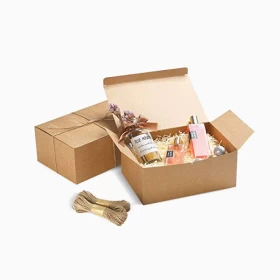
Kraft paper is made from natural wood pulp and is completely biodegradable and recyclable. It is lightweight yet durable offering a clean and rustic appearance perfect for eco-conscious branding.
Uses: Kraft is ideal for making paper bags, pouches and inner linings. Widely used by organic, handmade and sustainable product brands.
Packaging Cost: Kraft packaging is cost-effective due to its simple manufacturing process and wide availability. It offers an affordable solution for eco friendly packaging without compromising on durability which makes it ideal for businesses seeking sustainable options within budget.
2. Cardboard – Sturdy Yet Highly Biodegradable
Cardboard is strong, biodegradable and easily recyclable. It offers excellent protection for products while minimizing environmental impact.
Best For: It is commonly used for shipping boxes, product packaging, and display cartons. Suitable for both lightweight and heavy-duty packaging needs.
Cost-Consideration: Cardboard packaging generally costs slightly more than Kraft due to its thicker structure and sturdiness. However, it offers better durability and protection which makes them ideal for shipping and heavy items while still maintaining eco friendly packaging standards.
3. Compostable Packaging Material
Compostable packaging materials break down into organic matter and leave no hazardous leftovers. However, for efficient large scale applications they require the infrastructure of composting and waste management programs to complete the waste cycle. Engineered biodegradable materials include bioplastics, mushroom packaging and cornstarch packaging.
Benefits: Compostable packaging breaks down into nutrient rich compost that reduces much landfill waste and harmful emissions.
Uses: This is an ideal material for food containers and mailers especially for organic and eco-conscious brands.
4. Biodegradable Packaging Material
Biodegradable packaging materials are becoming increasingly popular as a sustainable alternative to standard packaging. These green packaging materials naturally degrade over time and can be dissolved in water providing great nourishment for marine life.
Benefits: This packaging decomposes naturally within months, helping reduce pollution and plastic waste.
Uses: It is widely used in making food trays, disposable cutlery and shipping in the food and cosmetic industries.
5. Reusable Packaging Material
Reusable packaging is intended to be long-lasting, encouraging reuse and greatly contributing to the circular economy.
Benefits: As one of the most environmentally friendly alternatives available reusable packaging eliminates the need for single-use materials, which contribute significantly to global trash. Shopping bags, tin boxes and collapsible or magnetic rigid boxes are common types of reusable packaging.
Uses: It’s perfect for fabric bags, refillable containers and jars in retail and luxury sectors.
Eco-Friendly Packaging Examples
Inspiring brands deliver on their green promises through eco-friendly packaging materials. The following examples prove that sustainable packaging is both smart and stylish for eco-conscious brands:
- Biodegradable Packaging – Uses 100% recycled and biodegradable materials; offers “naked” packaging-free products.
- Mailer Packaging – Replaced Styrofoam with biodegradable mushroom-based packaging.
- Shipping Boxes – Shipping boxes are highly compostable and made from sustainable cardboard.
- Apparel Bag Packaging– Introduced 100% recyclable brown bags for clothing brands.
- Food Packaging & Wrapping – Uses molded pulp for takeaway food packaging as a renewable alternative to plastic.
Benefits of Using Eco-Friendly Packaging Materials
In today`s rapidly changing world, the necessity of sustainable products and eco-friendly packaging cannot be overstated. Packaging, particularly for consumer goods, is predominantly constructed of single-use plastic and other non-biodegradable materials. These are filling up landfills and poisoning our waters. Some improvements and fresh advancements in this industry possess the potential to remedy this specific challenge. These answers and developments give us hope for a greener, brighter future.
Boost Brand Image
First and foremost, sustainable packaging is versatile, as any firm can find a method to use it. In other words, whether it`s a new laptop or a pair of boots, there are environmentally friendly ways to make your cargo more sustainable.
In addition to the versatility of sustainable packaging, using biodegradable materials can help boost your brand`s image by demonstrating your company`s dedication to sustainability and environmental protection.
Increasing Eco-Awareness
Eco-friendly packaging increases people`s awareness towards packaging because they played an important role in the growth of biodegradable packaging. Consumers today are more concerned about how their purchases do not affect the environment.
Thus, they are willing to pay more for products that use sustainable packaging material. This shift in customer tastes has pushed enterprises to embrace biodegradable packaging solutions in order to meet the need for eco-friendly products while also improving their brand image. If this customer had not been determined to use ecological packaging, they might not have discovered the other products at all.
Reduce Shipping Cost
Furthermore, the use of sustainable packaging might assist to minimize the cost of transportation for your items, as certain nations, such as the United Kingdom, have now put a plastic tax on all imported goods using plastic. As a result, if you want to take your company global, going biodegradable may be the way to go to avoid costly penalties.
Government-Industry Collaboration
Collaboration between government and industry can assist in speeding up the shift to environmentally friendly packaging. Policies, laws and incentives encourage firms to consider sustainable packaging solutions and embrace environmentally friendly practices. Partnerships between business and government entities allow for the sharing of information and resources, resulting in more widespread usage of eco-friendly packaging solutions.

Order This Kind Of Boxes In Best Quality From Us
Sustainable Packaging Trends
Less waste, more wow! Minimalist packaging (thin, light designs) cuts material and builds style. Smart carbon-label tags and eco seals tell a transparent story. Biomaterials are surging, think compostable mushroom, seaweed and bamboo containers. Refillable and reusable systems (return, refill clubs, milkman models) are making a comeback. All the while, customers expect green: 82% say they’d pay more for sustainable packaging so these trends aren’t just eco-bling, they are business gold. The information above draws on industry reports and brand case studies illustrating how innovative materials and designs can boost both environmental impact and customer appeal.

Order This Kind Of Boxes In Best Quality From Us
Key Challenges & Future of Sustainability Growth
The key will be collaboration among businesses, governments and consumers to support and promote these technologies, as well as all verticals working together to achieve a greener and better environment. These methods have failed to gain widespread adoption due to various hurdles and obstacles. Some of these novel materials and solutions are expensive to create, launch and scale up under conventional consumption frameworks. Another problem that companies have is educating clients on how to properly dispose of their biodegradable or recyclable packaging.
However, there is some optimism about the future of our environment and the eco-friendly packaging business. As technology progresses and consumer behavior shifts, increasing the demand for sustainable products, we should expect to see ever more innovative and efficient solutions emerge.
Summary - Sustainable Practices with Eco-Friendly Materials
In a world where sustainable practices are more important, eco-friendly packaging is an essential component in minimizing waste and fostering a healthier environment. Businesses that implement these packaging solutions can not only improve their brand image, but also save money, conserve resources and lessen their environmental effect. With continuing innovation and breakthroughs in eco-friendly packaging, we can contribute to a more sustainable future of consumerism.