Spread the Love
Last updated on July 03, 2025What is Paperboard? How is Paperboard Produced?
What is Paperboard?
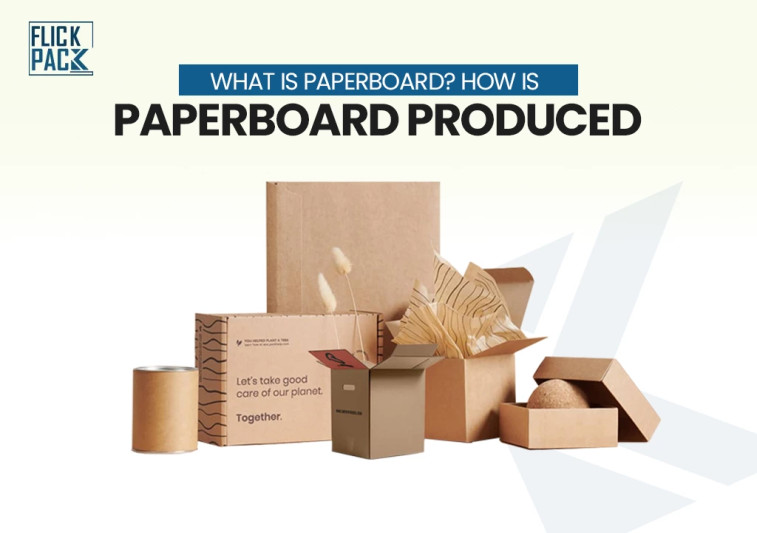
Paperboard is a strong, durable material and it is composed of wood fibers. It is very sturdy and is widely used in packaging unlike regular paper. Consider cereal boxes, shoe boxes, or any packaging on luxurious products; all of these are created out of paperboard.
It is perfect to make a robust package that is clean and tidy. Companies adore it due to the ability to guard merchandise and the inexhaustible printing alternatives. This qualifies paperboard paper as an excellent way to protect as well as brand.

Order This Kind Of Boxes In Best Quality From Us
Different Types of Paperboard
There isn’t just one kind of paperboard. Depending on the use, there are several types available in the market:
Solid Bleached Sulfate (SBS)
It is composed of pure wood pulp. It is a two-sided white, and it is used on high-quality items such as cosmetics and other food items. SBS paperboard boxes are well-kept and smooth.
Coated Unbleached Kraft (CUK)
It has a brown exterior and is also perceived to be strong. When heavier items such as detergent or electronic items are being packaged, it is usual to use paperboard packaging.
Coated Recycled Board (CRB)
As the name suggests, this board is made of recycled materials. It is ecologically friendly and reasonably priced. CRB paperboard packaging material is ideal when it comes to brands that are trying to go green.
Folding Box Board (FBB)
FBB is light yet strong. It folds easily without cracking. It is used for food, medicine, and cosmetics. If you need thick paper board that folds without damage, FBB is your go-to.
Rigid Paperboard
These boards do not fold and are used for luxury packaging, like jewelry or iPhones. Rigid paperboard boxes offer a premium unboxing experience.
A Brief History of Paperboard
Paperboard has been around since the 1800s. The first commercial paper board supplier came about in England. At first, it was only used for book covers and cartons. As time went on, packaging needs grew. In the early 1900s, businesses started using cardboard paperboard boxes to pack food and other items. It became a safer and cleaner way to store goods. Today, you’ll find paperboard in almost every home and store. From medicine to makeup, paper board paper has come a long way.

Order This Kind Of Boxes In Best Quality From Us
How Paperboard is Produced
Making paperboard is a step-by-step process that transforms wood into strong sheets. Let’s walk through each step in simple terms.
Sourcing Raw Materials
The journey begins with trees. Pine and spruce are popular because their fibers are long and strong. Some paperboard packaging material also comes from recycled paper and board. Big paper mills work with forests and recycling centers to collect these raw materials. If you’re looking for eco-friendly options, many kraft boxes are made from recycled wood pulp.
Pulping the Fibers
Next, the collected wood or recycled paper goes through pulping. In this step, the materials are broken down into tiny fibers using machines.
There are two ways to pulp: mechanical and chemical. Mechanical pulping grinds the wood, while chemical pulping uses heat and water. Both turn the raw material into soft, fibrous mush. This mush becomes the base for your future corrugated paperboard boxes or any type of paperboard you choose.
Sheet Formation
Once the fibers are ready, they’re poured onto large screens. Water drains away, and the fibers start to form a thin layer. As it moves down the machine, the sheet becomes more solid. Slowly, a strong, flat layer of paper board paper is formed. This sheet will soon become boxes, cartons, or packaging trays.
Pressing and Drying the Sheets
Now, it`s time to squeeze out all the water. Big rollers press the wet sheet to remove extra moisture and make the surface smooth. After pressing, the sheets go into a dryer — kind of like a huge oven. They pass through heated rollers until they’re fully dry and sturdy. This creates the final form of paperboard boxes ready for printing and cutting.
Optional Coating Steps
Some paperboard types get an extra layer on top. This is called coating. It could be plastic, clay, or wax — depending on the use. For example, paper board packaging for frozen food may need a water-resistant coat. Coating makes the surface shiny, smooth, and ready for colorful prints. Luxury rigid boxes often have special coatings to look glossy or matte. It all depends on the brand’s needs and budget.
Final Cutting and Finishing
The last step is cutting. Giant machines slice the dried, coated paperboard into sheets or roll them into big spools.
These sheets are then printed, folded, and glued into boxes or cartons. The result? Stylish, strong packaging for products of every kind. Paper board suppliers ship these ready-to-use sheets or boxes to businesses around the world.
Why Paperboard Packaging Matters
Lightweight Yet Strong
One reason brands love cardboard boxes is that they are light but strong. You can pack fragile items without adding too much weight.
This saves money on shipping and keeps products safe.
Excellent for Printing
Another benefit is that paperboard packaging material takes ink very well. You can print logos, instructions, or beautiful graphics directly onto the box.
Whether it`s kraft paperboard boxes or coated ones, they all look professional and attractive.
Eco-Friendly Options
With more people choosing green products, paper board packaging made from recycled content is in demand.
Many businesses now choose corrugated paperboard boxes or CRB types to reduce their environmental impact.
Perfect for All Industries
From food to electronics, thick paper board is used everywhere. Whether it’s for shipping or retail shelves, you’ll find a paperboard type that fits the job.
Paperboard and the Environment
Sustainability is a growing concern. That’s why many paper board suppliers now offer eco-friendly solutions. They source wood from responsible forests or use recycled materials. Plus, paperboard is biodegradable and recyclable.
By choosing paperboard boxes, businesses reduce plastic use and promote green practices.
Choosing the Right Paperboard for Your Needs
Not sure which paperboard to use? Here`s a quick guide:
When picking a paperboard supplier, check for quality, pricing, and customization options. It’s best to work with brands that value sustainability and customer satisfaction.

Order This Kind Of Boxes In Best Quality From Us
Trends in Paperboard Packaging
The need for paperboard boxes is increasing rapidly as businesses are turning more environmentally friendly. So these are some of the key trends emerging in the future of paperboard packaging:
Minimalist Designs
Simple packaging is cool. People are not concentrating on fancy designs, but on sustainability. This renders Kraft paperboard boxes very popular because of natural brown color and its organicism.
Smart Packaging
As technology is now improving, they are including QR codes and NFC chips inside their boxes made of paperboard. Customers can use them to scan the products to retrieve information about them, to follow orders or tutorials. The combination of old classic thick paperboard and new experimental technology produces an efficient customer experience.
Personalization
Custom colors and personalized messages, names on the box, personalized paperboard packaging material can make a brand emotionally connect with customers.
It is no longer about the product in your hands, now it is a story.
Reusability
Some brands currently even print the rigid paperboard boxes that can be used as storage or display boxes. The customers retain them instead of throwing them. This keeps them longer at home with the brand-great in terms of loyalty.

Order This Kind Of Boxes In Best Quality From Us
How Industries Use Paperboard
Almost every industry uses paperboard in some way. Let’s explore a few examples.
Food & Beverage
Consider pizza boxes, sandwich packs or juice cartons. They are all made of paper board paper since it is easy to carry, food safe and printable. Coating of paperboard boxes with more moisture protection is famous amongst frozen foods or ready-to-eat foods.
Beauty & Skincare
Luxury packaging is a big deal in this industry. Brands use rigid paperboard boxes with matte or glossy finishes to reflect quality. A beautiful box makes customers feel like they’re buying something premium—even before opening it.
Electronics
You’ve probably unboxed a phone, tablet, or headphones packed in a stylish, sturdy box. These are usually cardboard paperboard boxes that shield products during transport while still looking classy.
Fashion & Accessories
From shoe boxes to jewelry packaging, corrugated paperboard boxes or FBB-style paperboards are the go-to choice. They keep products safe and stylish.
Healthcare & Pharma
Pill packets, medical devices, and prescription labels often use paper board packaging for secure storage. The surface is easy to label, and the material is hygienic and safe.

Order This Kind Of Boxes In Best Quality From Us
Myths About Paperboard Packaging
Let’s bust some common myths around paperboards.
Myth 1: Paperboard Is Weak
Not true. Thick paper board can be incredibly strong, especially in multiple layers. Corrugated boxes can even hold heavy electronics or glass items.
Myth 2: All Paperboard Is Bad for the Environment
Wrong again. Many paper board suppliers now use sustainable forests and recycled materials. In fact, kraft paperboard boxes are among the most eco-friendly packaging options available today.
Myth 3: Paperboard Isn’t Water-Resistant
This depends on the type. Paperboard packaging material can be coated for moisture protection. This makes it perfect for frozen food, cosmetics, and more.
Advantages of Choosing Flick pack
Flick Pack doesn’t just sell paperboard boxes—we offer full packaging solutions that are:
Affordable
We source high-quality paper board paper and optimize production to keep prices fair—without compromising on strength or style.
Eco-Friendly
Our paper board packaging is made from recycled and responsibly sourced fibers. We even offer kraft paperboard boxes for businesses looking to lower their carbon footprint.
Fully Customizable
You dream it, we design it. From size and shape to finishes and coatings, your paperboard packaging material is tailored to your brand identity.
High-End Printing Options
From foil stamping to spot UV and embossing, we make sure your rigid paperboard boxes stand out.
Scalable for All Sizes
Whether you’re a small business launching a new product or a large enterprise needing bulk orders, Flick Pack scales to meet your needs.

Order This Kind Of Boxes In Best Quality From Us
What Makes Paperboard Better Than Other Packaging?
You may wonder: why choose paperboard over plastic, metal, or other materials?
Better for the Planet
Plastic can take hundreds of years to decompose. On the other hand, paperboard boxes can break down naturally and are easier to recycle.
Cost-Effective
Compared to rigid plastics or wood, paper board paper is cheaper to produce and lighter to ship—saving on both materials and logistics.
Customizable
Need a unique shape or size? Want a box that folds or stays rigid? With paperboard packaging material, the options are endless.
Safe & Non-Toxic
Since paperboard comes from natural fibers, it’s safe for food contact, baby products, and medical supplies.
How Flick Pack Helps Small Businesses
If you’re a small business owner, Flick pack is your partner in growth. Here’s how we support you:
Low Minimum Orders
Not everyone needs thousands of boxes. That’s why we offer flexible order quantities—so you can start small and scale when ready.
Fast Turnaround
Got a product launch coming up? We deliver your paperboard boxes quickly, without cutting corners on quality.
Expert Design Help
Not sure what kind of paperboard packaging suits your brand? Our creative team helps you choose the right type, thickness, and finish.
Sustainability Tips for Brands Using Paperboard
Choosing paperboard is a great first step. But there’s more you can do to stay eco-conscious:
- Use soy-based inks instead of petroleum inks
- Keep designs minimal to reduce ink usage
- Encourage customers to recycle your packaging
- Choose uncoated kraft paperboard boxes when possible
- Opt for folding instead of rigid boxes to save space
These small decisions can add up and position your brand as eco-friendly and responsible.
Final Thoughts
Paperboard might seem simple, but it plays a big role in our daily lives. From cereal boxes to mobile phone packaging, it protects, presents, and promotes products. Understanding how paper board paper is made helps us appreciate its value. Whether you’re a business owner or just curious, it’s good to know how this material supports packaging worldwide. So next time you see a box, remember — it started as a tree, went through pulping, drying, and cutting, and became something useful and beautiful.