Spread the Love
Last updated on November 17, 2025What is Cardstock? Key Characteristics That Make it Perfect for Packaging
Cardstock is a commonly used packaging material that is thicker than regular paper. It offers diverse applications for your packaging industry. You can create greeting cards, invitation cards, menu cards, DIY crafts and promotional packaging for your business by using this durable material.
There are different types of packaging materials used in the packaging industry for protecting your products. Some of these materials are lightweight while others are thick or somehow flexible, each distinguished by its primary characteristics. Among the most durable types of packaging material is Cardstock.
If you are new to this material, read this article to know everything about what cardstock is and which key characteristics make it ideal for custom packaging.

What is Cardstock?
Cardstock is a thick type of paper material, famous for its thickness, durability and flexibility for product packaging. It is more sturdier than regular printed paper but lighter than other packaging materials such as paperboard and cardboard.
Businesses use cardstock due to its different weights, usually measured in pounds. The heavier the weight of the paper, the thicker and more robust the material would become. The thickness of the coating also matters for cardstock strength, which makes it an excellent choice for various packaging applications. It can be used for making durable product boxes or thick business cards.

What is the Manufacturing Process of Cardstock?
Cardstock manufacturing began with the evolution of wood pulp in 1843 by Friedrich Gottlob Keller, revolutionizing paper production. Before this innovation, industries primarily used recycled fibers such as hemp, linen and cotton rags to create packaging materials.
With time, the manufacturing process of paper has become complex. To get a strong cardstock, the wood pulp is passed through several chemical and mechanical processes for pulping. The pulp is then mixed with water to form a thick slurry which is spread on a flat surface for drying. This dried mixture is further pressed to extract the extra moisture and get the recycled fiber.
In brief, the recycled fibers are used to produce a variety of paper materials; the one best for your packaging is cardstock. After its production, the use of different coatings and finishes depends on the surface of the cardstock to make it ideal for packaging processes. The final product comes out as the most durable and thick paper-based material used in a variety of packaging industries.

What Are the Main Characteristics of Cardstock for Packaging?
To stand out from the competitive packaging world, the right material can make all the difference. Cardstock is not only used for personal purposes but is a material that promotes your businesses on a commercial scale.
Curious what makes it so unique? Let’s explore the key characteristics that set cardstock apart in packaging.

Different Sizes & Thicknesses Used for Cardstock
Businesses use numerous coatings and textures to personalize the density of cardstock. Its thickness matters to certain product sizes, weight and their protection.
When you select a material for any business project, it`s necessary to choose the paper with its optimum measurements. To determine which option is best for you, you must examine several variables. Begin by determining the paper weight and size that will provide enough flexibility and rigidity for your packaging, business cards, invitations and other needs.
Cardstock ensures the effectiveness of your project due to its thick surface and flexibility to cut in various sizes. Its compatibility with your packaging equipment is crucial for avoiding customizing difficulties.
How Heavy is Cardstock?
The weight of cardstock is commonly measured in pounds (lb), points (pt) or grams per square meter (gsm). Higher values of these measurements indicate the more thicker and heavier cardstock.
For better understanding, the thickness of the cardstock is described by the following table:
How to Measure the Dimensions of Cardstock?
Cardstock is available in various sizes based on paper types and their dimensions, used for specialized business projects.
Here are the different types of cardstock paper with their accurate sizes and exact dimensions described in the following table:
What are the Best Textures & Finishes Used for Cardstock?
There are several types of textures and finishes used for cardstock paper to make them truly engaging for customers. Each has its own characteristics and uses for commercial and specific business proposals. Some of the popular finishes and textures used to increase the appearance of cardstock include:
Matte Finish: It is used to create a soft and delicate surface for cardstock which is also non-reflective for various packaging applications. Perfect for creating business cards, brochures, luxury labels and various business postcards.
Gloss Finish: It provides a shiny texture to the surface of cardstock that enhances the vibrancy and luster of printed content. Best for printing images, marketing materials or other creative business logos.
Metallic cardstock: The metallic finish adds a touch of elegance to your cardstock due to its glittering surface. This makes it an excellent choice for creating invitation cards, wedding cards or gift cards.
Textured Cardstock: To get the textured designs for your products, cardstock goes through a variety of finishes, including linen, felt and lay cut. These creative cut-outs offer your designs a tactile dimension. It is commonly used for wedding invitations and other fine stationery packaging.
Laid Cardstock: These cardstocks are suitable for letterheads, reports and presentations. The clear lines running through such sheets, which can be seen when held, distinguish them from others.
Cockle Cardstock: It has a rough texture that likely resembles handmade paper.

What Are Coated & Uncoated Cardstock?
Cardstock has both coated and non-coated surfaces for printing.
Coated cardstock: It has a protective layer of clay attached to its surface, making it smooth and ideal for high-resolution printing.
Non-coated cardstock: It has a more porous and absorbent matte finish that is better for writing on, but can appear less sharp when printed.
Coated Cardstock Vs Non-Coated Cardstock
The table shows a better comparison between coated and non-coated cardstock.

What are the Popular Types of Cardstock for Businesses?
You can see a variety of cardstock at stationery shops, online or arts & drawing stores. Some have a smooth surface with solid colors, for example charts that are used for creative purposes. While some cardstock have a matte appearance which is easy to emboss and deboss fr branding. In addition, there is also a popular cardstock used for packaging is colored cardstock paper.
Let’s look at each type one by one to see how they can benefit your business.
Smooth Cardstock
Cardstock which has a smooth surface, usually offers a polished and professional appearance. It is best to apply for high-quality printing and vibrant designs. The promotional messages written on it appear more visible. Perfect for business invitations and product packaging where clarity and detail matter.
Benefits:
- Vibrant Prints
- Elegant Appeal
- Highly Durable
- Shinny Appearance
Matt Cardstock
It has a soft, non-reflective finish that gives a classy and natural appearance. It works well for sophisticated branding, creative cut-outs and products that require a subtle design. It is best for business cards, luxury packaging and retail labels.
Benefits:
- Sturdy Finish
- Easy to Write
- Strong Quality
- Classic Appearance
Colored Cardstock
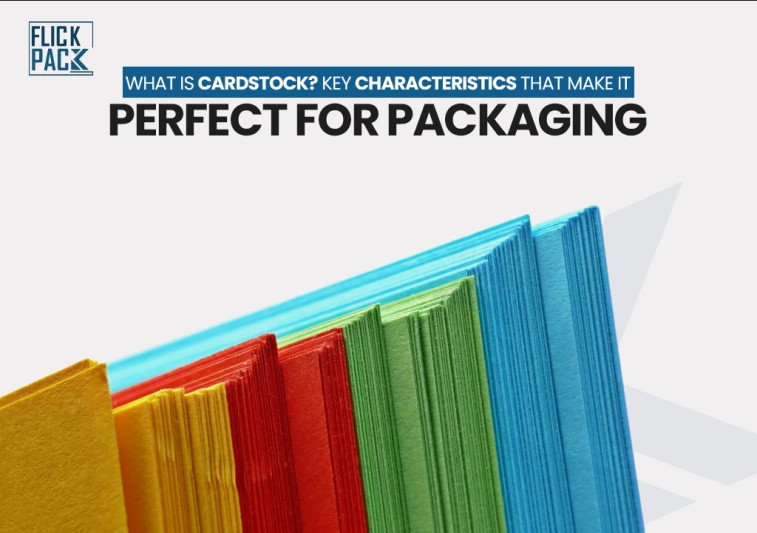
Various businesses use colorful cardstock paper to improve their packaging and branding. Colored cardstock can appeal to those special customers because they don`t have to get their hands filthy with paint. These cardstocks are a godsend for these customers. Furthermore, they have hefty sheets ideal for layering die cuts and crafts.
Best For:
- Home Decor
- Scrapbook Pages
- DIY projects

Best Uses of Cardstock for the Packaging Industry
Cardstock is a versatile packaging material used for a wide range of industrial applications including retail and business promotions. It also contributes to lightweight product packaging that requires sufficient protection. Cardstock is a lightweight and durable material that ensures your items stay safe and allows dynamic printing to create a more sophisticated look.
For packaging industries, cardstock serves a vital role in creating durable and customizable packaging solutions. It enhances product presentation while giving reliable protection during delivery.
Here are some creative ways to use cardstock in custom packaging:
Retail Packaging
It can be used as a retail packaging box, shipping containers and sleeve packaging for storing and displaying precious items on store shelves. The sturdiness of cardstock makes it ideal for preserving contents while retaining structural integrity.
Sustainable Packaging
As more people become concerned about the environment. That is why using recycled paper for packaging is becoming essential today. Packaging made of eco-friendly cardstock ensures the sustainability of your product and greatly helps brands to protect their environment for future brand trust.
Business Cards & Marketing Materials
Cardstock is an excellent material for creating printed custom boxes and various business cards. The best part of this packaging material is that it can be customized to meet the specific measurements and specifications of your product. It results in genuinely professional designs and eye-catching product packaging which increases brand visibility.
Invitation Cards & Advertising Announcements
Cardstock is widely used for wedding invitations, formal announcements and for organizing various event programs. Its thickness and smooth finishing options create a premium feel and luxury appearance to every project.
Custom Branding
Businesses use cardstock to create unique tags, labels and promotional items. Its versatility in structure allows them to get unique designs that reflect your specific brand identity. In addition, its stiffness and coated surface enable it for high quality printing and branding elements.

How Much Does Cardstock Cost for Packaging?
The cost of cardstock depends on various factors. Thickness, weight and its coating determine its cost for specific packaging. The thicker and heavier the cardstock in weight the higher it will be in price.
You can estimate the cost of cardstock by the examples provided below:
12 pt Cardstock Paper
12 pt paper is the most regularly used standard size cardstock. Its average price is $3.95 per square foot which becomes more reasonable if you purchase in bulk. At the wholesale rate, the price per square meter will be $42.51.
24 pt Cardstock Type
24 pt cardstock is thicker than 12 pt, thus it has some extra cost. The average price rises from $3.95 to $4.99 per square foot as the number of points increases. The price per square meter will be $53.71.
Now the question is whether the price of cardstock increases or remains the same for standard and luxury packaging? The answer is that if you want more coated or luxury cardstock, then its printing will be more expensive and the overall price will automatically be higher.
The simplest way to maintain your budget is to purchase cardstock in bulk. This approach keeps the price of cardstock reasonable for both standard and luxury packaging needs.
Final Thoughts
Finally, cardstock is a thick paper material used for various packaging purposes. It can be classified into many categories based on their thickness, size and textured coating. Choose the right type of cardstock that meets your particular business needs.
Whether you require coated or uncoated cardstock for greeting cards, business cards or packaging needs, Flick Pack can provide you with the best product at wholesale prices.
Where to Get Cardstock Packaging?
Do you know what cardstock material is and where you can get it from online? You have come to the right platform. Flick Pack offers a complete guide on this material and its applications in packaging. Our packaging specialists assist you in every matter whether you choose it for packaging or other business projects.
Moreover, we offer high-quality cardstock for a wide range of packaging applications. Contact us today and have a specific type of cardstock tailored for your business packaging needs.
FREQUENTLY ASKED QUESTIONS
What is cardstock paper used for?
Cardstock is a thick paper material that is used to create professional business cards, postcards, greeting cards, invitations and for various documents.
How thick is a cardstock paper?
Cardstock is slightly thicker than standard paper. Its thickness is determined by the weight which comes in pounds or grams per square meter (GSMs).
Is cardstock the same as cardboard?
No, they are not the same in any way. Cardstock is more flexible than cardboard. It is a thick single-ply paper while the cardboard is a heavier material made of several Kraft layers.
Can cardstock be printed?
Yes, cardstock can easily be printed. Yet it has an 80 pound weight but can readily slide through the printer. In addition, they are also available with coated and non-coated surfaces.
Do we customize packaging boxes with cardstock?
Yes, we use cardstock in custom packaging to create a variety of boxes, promotional tags, business cards, invitations and colorful seasonal products for special occasions.